Thinking about buying a home in St. Petersburg? You are not alone. The market here blends historic bungalows, downtown condos, and waterfront living, which means the process has a few local twists. In this guide, you will get a clear, step-by-step roadmap with Florida-specific insights on inspections, insurance, flood zones, condos, and closing. Let’s dive in.
Step 1: Get pre-approved
A strong pre-approval sets your price range, down payment, and estimated closing costs. It also helps you move fast in competitive situations.
- Include local costs in your budget: homeowner’s insurance, windstorm coverage, possible flood insurance, HOA or condo dues, and reserves.
- Review property taxes and how the Florida homestead exemption could reduce taxes on your primary residence after you file.
Pro tip: Get insurance quotes early for any home you are serious about. Premiums can vary in coastal Florida.
Step 2: Choose your agent and start touring
Work with a local advisor who knows St. Petersburg neighborhoods, flood zones, and condo or HOA rules. Your agent can surface options that fit your lifestyle, commute, and maintenance preferences.
- For condos and townhomes, ask for fee ranges and if any assessments are pending.
- For older homes or near-water properties, plan ahead for inspections that address age and exposure.
Step 3: Make an offer with the right terms
Most St. Petersburg purchases use Florida Realtors/Florida Bar contract forms. Your offer will cover price, contingencies, timing, and escrow.
- Negotiate price, earnest money deposit, inspection period length, financing and appraisal contingencies, closing date, and who selects the title company.
- Earnest money is deposited into escrow by a deadline in the contract.
Florida contract tip: Deadlines matter. The forms include strict notice and cure periods. Missing one can change your rights.
Step 4: Inspection and due diligence
Use your inspection window wisely. Line up inspections right away so you have time to review results and negotiate if needed.
- Typical inspections: general home, roof, HVAC, plumbing and electrical, and a WDO (termite) inspection that lenders commonly require. Add septic or sewer scope, seawall, mold, or lead-based paint as appropriate.
- Condos and HOAs: review budgets, reserves, meeting minutes, and rules. Florida law requires associations to provide certain resale documents.
- Flood and insurance check: verify the FEMA flood zone and get updated insurance quotes. Flood and wind coverage can affect loan approval and affordability.
If issues arise, your agent will guide repair requests or credits within the contract timeline.
Step 5: Appraisal, loan processing, and underwriting
Your lender orders the appraisal to confirm value. Underwriting reviews documents and may issue conditions to clear before closing.
- If the appraisal is low, options include price negotiations, a larger down payment, or cancellation if your contingency allows.
- Respond to lender document requests quickly to keep your closing on track.
Step 6: Title search, insurance, and escrow
The title company or closing agent runs a title search and issues a title commitment. Any liens or title issues are resolved before closing.
- Title insurance includes an owner’s policy for you and a lender’s policy for your lender. Who pays for the owner’s policy can be a matter of local custom and negotiation.
- Your earnest money stays in escrow and is applied to your closing funds.
Step 7: Final walkthrough and closing day
Do a final walkthrough 24 to 72 hours before closing to confirm the home’s condition and any agreed repairs.
- Closing is handled by a title company or settlement agent in Florida. You will sign documents, bring your remaining funds, and receive keys after recording.
- Confirm utilities are scheduled to transfer and insurance is active on day one.
Step 8: After closing checklist
Protect your investment and set up your new life right away.
- Recordation happens after closing. Keep your closing statement and title policy handy.
- File for Florida’s homestead exemption for your primary residence by the statutory deadline.
- Confirm all utilities and service accounts are in your name.
Condo and HOA buyer essentials
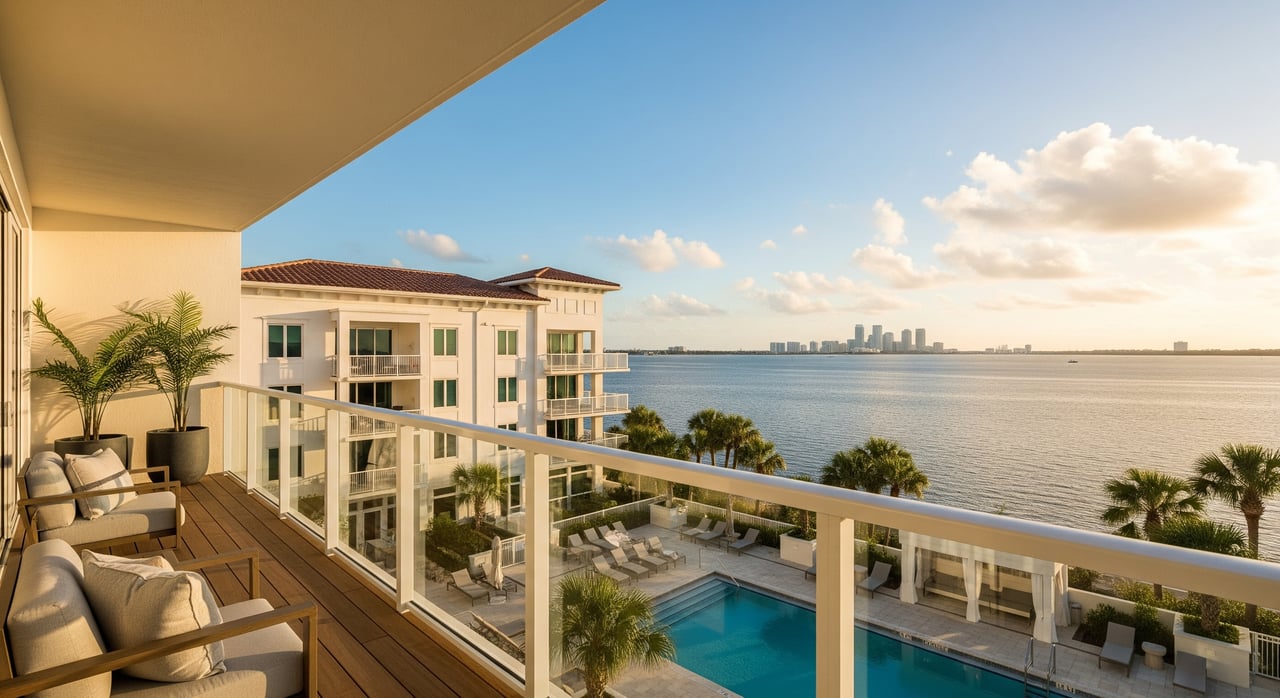
Condos and many townhomes in St. Petersburg are governed by associations. Their rules and financial health can be just as important as the home itself.
- Review: budgets, reserves, meeting minutes, insurance coverage, and any special assessments.
- Understand rules that could affect your plans, such as lease policies or renovation standards.
- Expect association transfer or document fees at closing and build them into your budget.
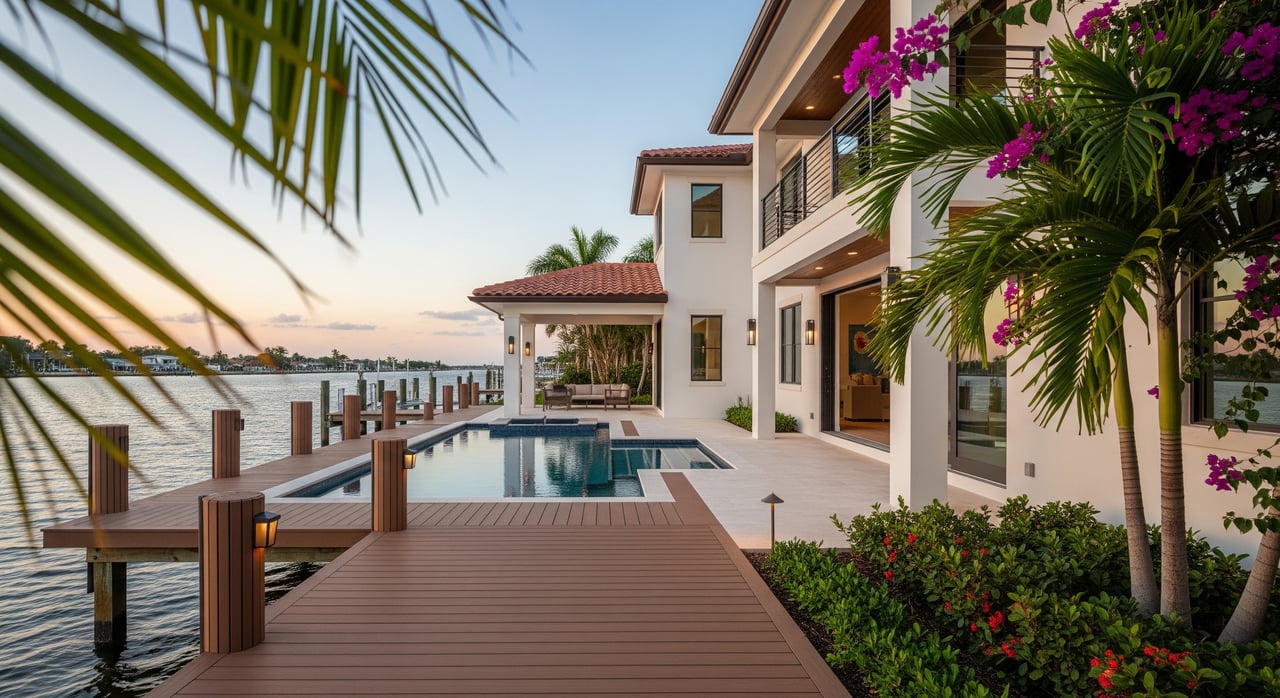
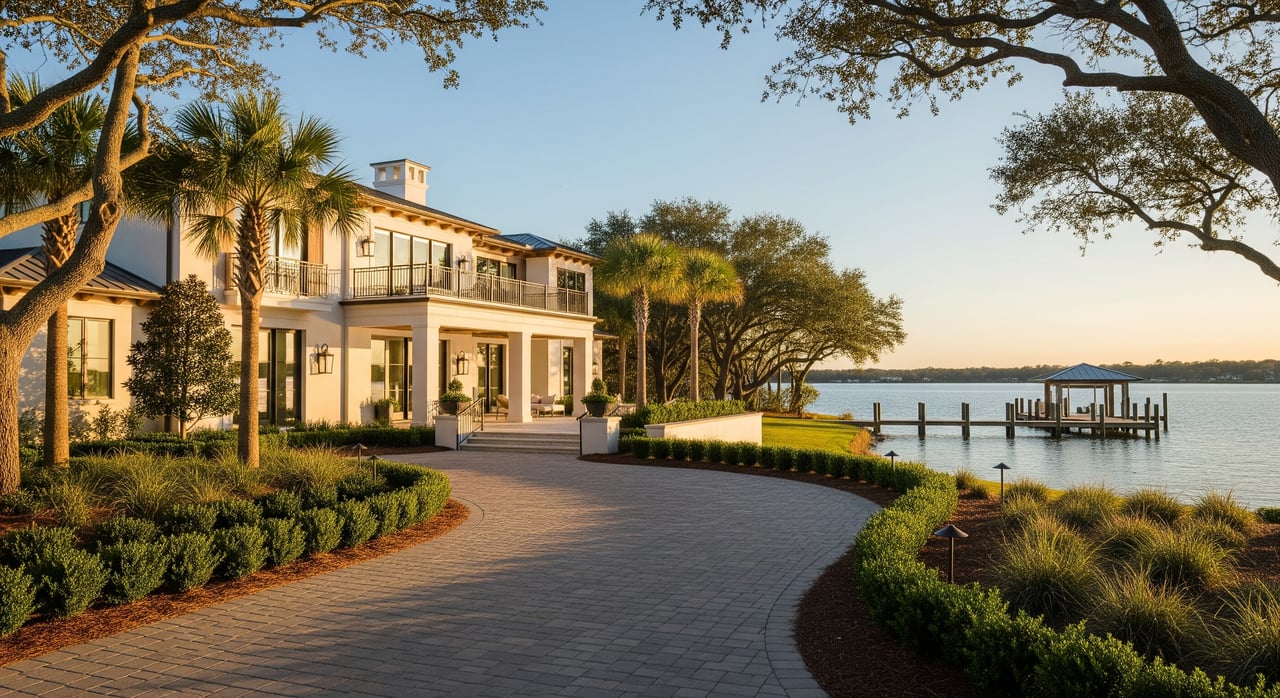
Waterfront and flood considerations
Near-water living is a St. Pete hallmark, but it requires extra due diligence.
- Flood zones: Lenders require flood insurance on homes in Special Flood Hazard Areas. Verify the current map status for any property you pursue.
- Insurance: Ask for wind mitigation credits. Features like newer roofs and protected openings can reduce premiums.
- Seawalls and docks: If applicable, evaluate condition and permits. Repairs can be significant, so get estimates early.
Timelines and typical costs
Every deal is different, but most financed purchases follow a similar rhythm.
- Typical timing: 30 to 60 days from contract to closing; inspection period often 7 to 15 days.
- Common costs: down payment, lender fees, appraisal, title search and insurance, recording fees, HOA or condo fees, and insurance premiums. Ask your lender and title company for estimates.
Red flags to watch
A careful review reduces surprises and protects your budget.
- Older roofs or HVAC near end of life.
- WDO activity or prior treatments without clear documentation.
- Unpermitted additions or work that will not pass local inspection.
- HOA or condo reserves that appear thin or special assessments on the horizon.
- High flood risk without recent elevation data.
Helpful local resources to consult
When you are evaluating a specific property, plan to check authoritative sources for current rules and records.
- Pinellas County Property Appraiser for tax, assessment, and parcel data.
- City of St. Petersburg Building and Permitting for permits and code compliance.
- Pinellas County Clerk and Recorder for recording processes and fees.
- FEMA Map Service Center for flood maps and zones.
- Florida statutes and trade resources for condo, co-op, and HOA rules.
How I help you buy with confidence
Buying here means balancing lifestyle goals with technical details like flood zones, insurance, condo reserves, and contract timing. You deserve a guide who can simplify each step and advocate for you from the first tour to the final signature. If you are ready to explore St. Petersburg, I would love to help you map your path and avoid common pitfalls.
Have questions or want a game plan for your timeline and budget? Connect with Mashonda Smith to Schedule a Free Consultation.
FAQs
How much earnest money is typical in St. Petersburg home purchases?
- It varies by price point and competitiveness, but you will specify the amount and deposit deadline in the Florida Realtors/Bar contract, and the funds are held in escrow by the broker or title company.
What happens if the appraisal comes in low on my St. Pete home?
- You can negotiate price, increase your down payment, or cancel if your financing or appraisal contingency allows; your agent will help structure the best path within your contract timelines.
Do Florida sellers have to disclose flooding or prior repairs?
- Florida sellers cannot misrepresent known defects, and agents commonly use a seller’s property disclosure form that covers water intrusion, past repairs, and system conditions.
Who usually pays for the owner’s title insurance policy in Pinellas County?
- It can be a matter of local custom and negotiation, so review the contract and get a quote from a local title company to see how costs are typically split.
How long does the condo or HOA resale process take in St. Petersburg?
- It depends on the association’s procedures and Florida’s statutory timelines, but you should request budgets, reserves, rules, and any assessment details early in your inspection period.
Do I need flood insurance for a St. Petersburg property near the water?
- Lenders require flood insurance for homes in Special Flood Hazard Areas, and even outside those zones, many buyers choose coverage after reviewing risk and quotes.
How and when do I apply for Florida’s homestead exemption?
- After closing on your primary residence, apply with the county by the statutory deadline to activate tax savings and benefits like the Save Our Homes assessment cap.