Leave a Message

Thank you for your message. We will be in touch with you shortly.

Lakewood Estates: Mediterranean vs. Mid-Century Homes

December 4, 2025

Trying to choose between the romance of Mediterranean Revival and the clean lines of Mid-Century Modern in Lakewood Estates? You are not alone. In this St. Petersburg neighborhood near the country club, both styles have deep roots and loyal fans, which can make the choice feel exciting and overwhelming at the same time. In this guide, you will learn how each style looks, lives, and ages in our coastal climate, plus what to check before you buy or how to prep before you sell. Let’s dive in.

Lakewood Estates at a glance

Lakewood Estates sits in St. Petersburg’s central-west area, close to the St. Petersburg Country Club. The neighborhood mixes homes from the 1920s to the 1960s, so you will see Mediterranean Revival from the land-boom years alongside post-war Mid-Century homes. Mature landscaping, larger lots compared to newer subdivisions, and convenient access to central St. Pete give the area lasting appeal.

If you value architectural character, outdoor living, and a location that balances neighborhood calm with city access, this micro-market delivers. The key is knowing how the two dominant styles differ in curb appeal, floor plans, materials, and long-term maintenance in coastal Pinellas County.

Mediterranean curb appeal

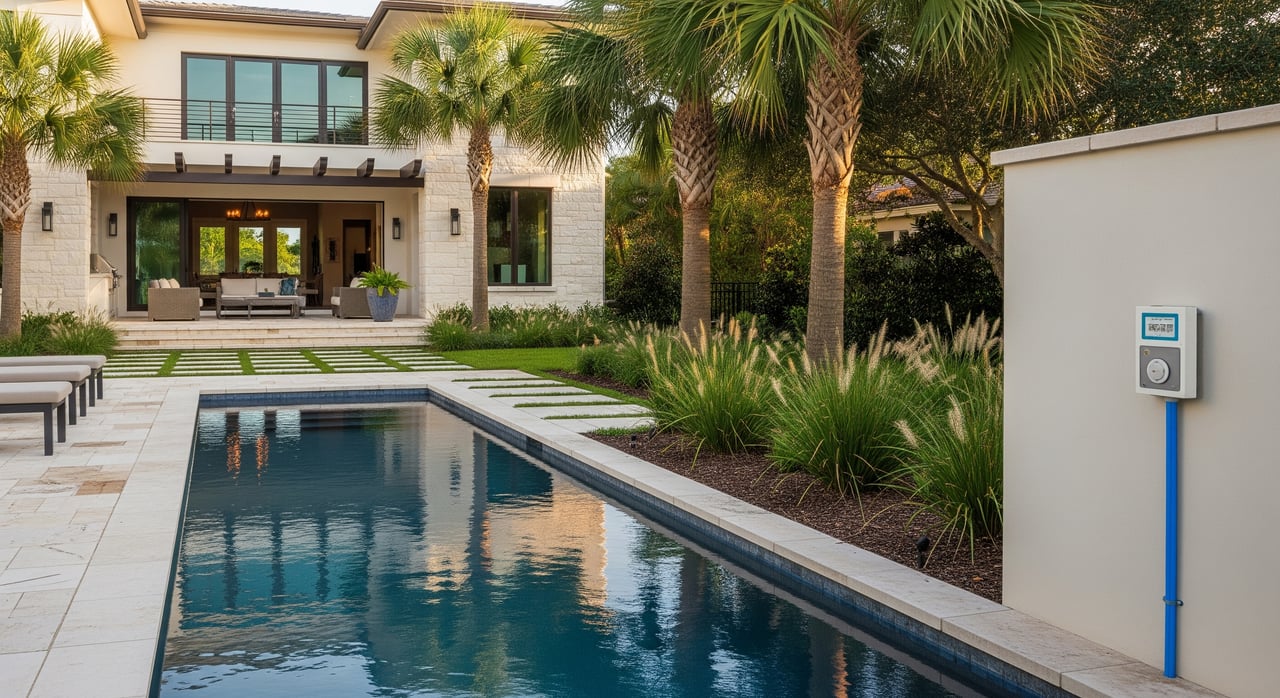
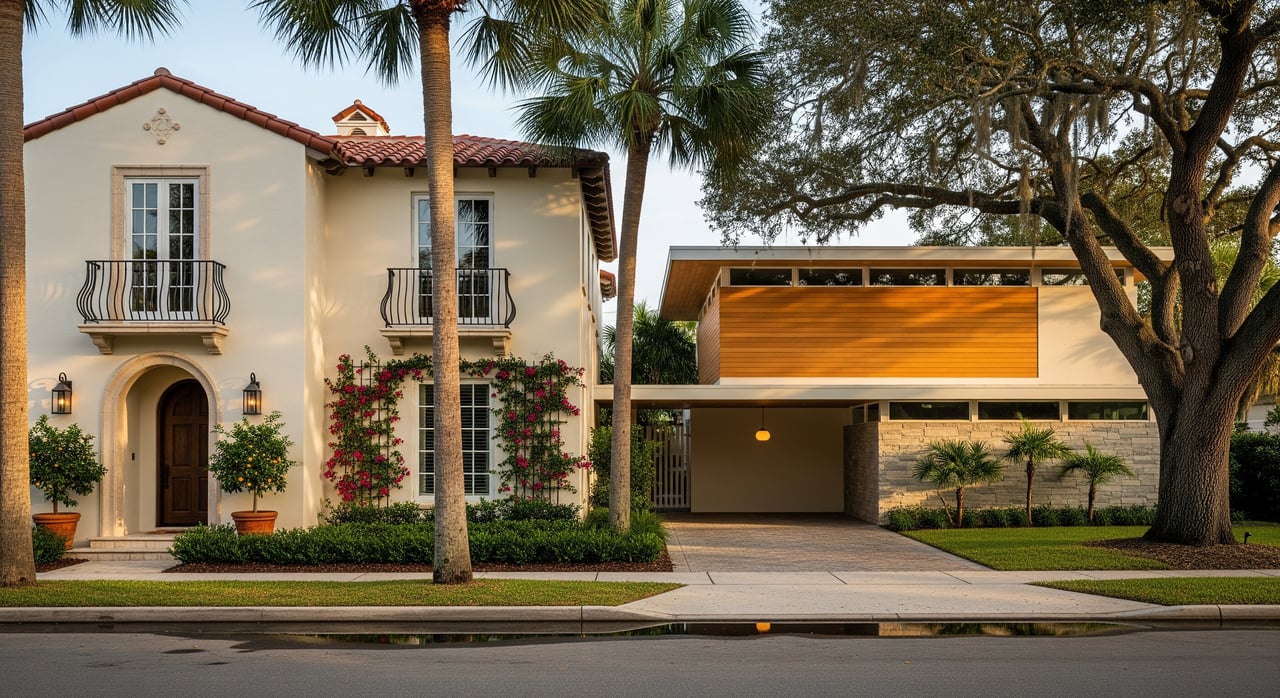
Mediterranean Revival homes tend to feel romantic and handcrafted. You will notice asymmetrical forms, low to moderate roof pitches, and prominent arches that frame entries and windows. Textured stucco walls in cream or earth tones pair with decorative tile accents and wrought-iron details.

Roofing is often red clay barrel tile or a tile-look replacement. Many homes include small courtyards, loggias, or arcades that create a private, shaded outdoor room. Landscaping often leans lush with palms and specimen trees that suit the climate, though heavier plantings need mindful moisture and pest management.

Mediterranean interiors and flow

Inside, plans are typically more compartmentalized. Expect a formal entry, separate living and dining rooms, and a defined kitchen. You may find interior courtyards, niches, arched openings, and plaster walls. Floors often feature decorative tile or terrazzo, and ceilings may have exposed beams or coffered details.

Light tends to enter through smaller, deeper-set windows, while courtyards and verandas provide cross-ventilation and a comfortable indoor-outdoor connection.

Mediterranean maintenance must-knows

  • Stucco needs periodic inspection for hairline cracks and proper flashing to prevent water intrusion.
  • Tile roofs are durable but heavy. Underlayment and flashing are critical to stop leaks, and individual tiles can crack in storms.
  • Original single-pane or jalousie windows are common in older homes and may not meet current standards for wind protection or energy efficiency. Impact-rated replacements are a smart upgrade when done with style sensitivity.

Who loves Mediterranean

Choose Mediterranean if you appreciate handcrafted details, courtyards, and a sense of privacy. It is a natural fit if you prefer formal rooms and architectural ornament, and if you are willing to maintain stucco and tile to keep the look timeless.

Mid-Century curb appeal

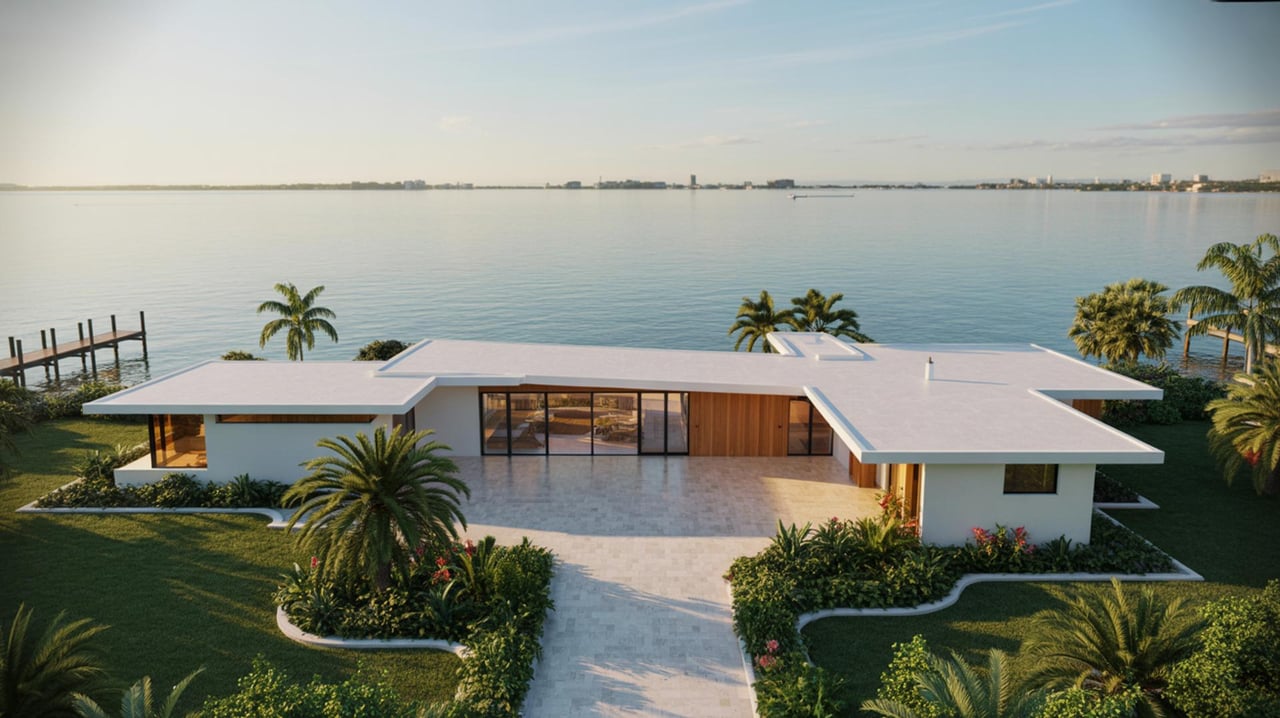
Mid-Century Modern homes in Lakewood Estates showcase strong horizontal lines and minimal ornament. Roofs are flat or low-pitched with extended overhangs. Facades are clean, with smooth stucco, masonry or wood siding, and purposeful pops of color.

Large picture windows, clerestories, and sliding glass doors are common. You may see integrated carports or garages and exposed beams. Landscaping is often simplified to open sightlines and frame patios or pools that take center stage.

Mid-Century interiors and flow

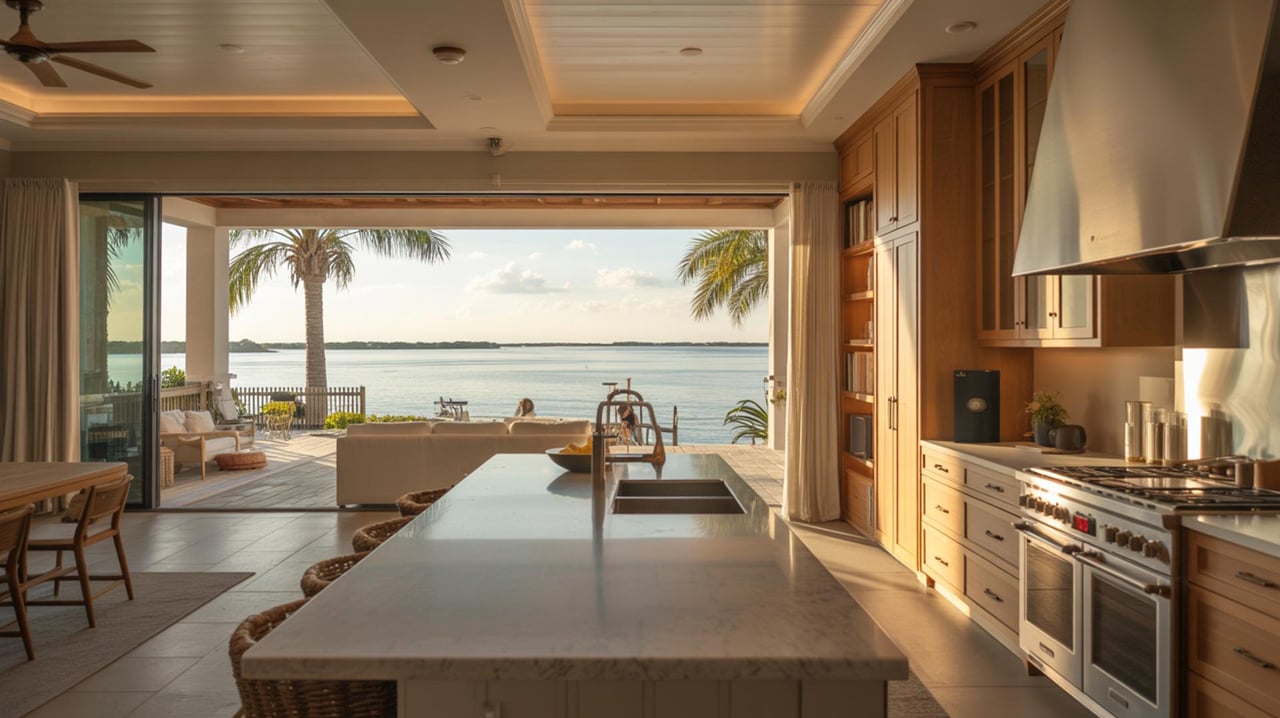
The hallmark is an open plan that blends living, dining, and kitchen spaces. Many homes are single-story with a ranch footprint, making daily living seamless. Original finishes often include terrazzo or hardwood, built-in cabinetry, and minimal molding that keeps the look crisp.

Expanses of glass create strong indoor-outdoor flow, ideal for Florida living around patios and pools. Clerestory windows help bring light deeper into the home while maintaining privacy.

Mid-Century maintenance must-knows

  • Low-slope or flat roofs demand vigilant drainage and periodic membrane resurfacing or replacement.
  • Large window walls are a lifestyle highlight but need attention for water sealing and wind protection. Impact-rated upgrades can improve safety and insurance outcomes.
  • Wood siding and trim, where present, need regular sealing or painting to prevent rot and termite exposure.

Who loves Mid-Century

Choose Mid-Century if you want open, flexible living, big windows, and an easy indoor-outdoor lifestyle. It is a strong match if you prefer clean lines and fewer decorative elements, and if you are comfortable with flat-roof maintenance and window care.

Head-to-head lifestyle and function

Light and privacy

  • Mediterranean: Smaller, deeper-set windows offer a quieter, more private interior. Courtyards provide light without exposing living spaces to the street.
  • Mid-Century: Larger panes and clerestories deliver abundant daylight and views. Overhangs and landscape design can balance privacy with openness.

Outdoor living

  • Mediterranean: Courtyards and verandas feel intimate and shaded. They are great for morning coffee or evening dinners.
  • Mid-Century: Patios and pool decks flow directly from living areas, ideal for hosting and casual gatherings.

Interior flow

  • Mediterranean: Defined rooms create formality and clear zones. This can be helpful for work-from-home privacy.
  • Mid-Century: Open plans simplify entertaining and daily life. Furniture placement defines zones rather than walls.

Coastal Pinellas reality check: materials and systems

Coastal salt air, humidity, and intense sun accelerate wear on roofs, windows, stucco, wood, and paint. Hurricanes add wind and water exposure. Older homes may not meet today’s wind-resistance standards, so targeted upgrades matter for safety, comfort, and insurance.

Roofs

  • Tile roofs: Long-lived when maintained. Focus on underlayment, flashing, and periodic inspections. Document any professional repairs.
  • Flat or low-slope roofs: Watch for ponding and membrane aging. Confirm recent resurfacing, drainage improvements, and any transferable warranties.

Windows and wind mitigation

Original single-pane, wood, or jalousie windows reduce energy efficiency and storm resilience. Impact-rated windows and doors can improve safety and may support insurance credits when paired with other wind-mitigation measures. Keep replacements consistent with the home’s style.

Stucco and wood

Stucco requires correct moisture barriers, weep systems, and careful detailing at penetrations. In our climate, organic staining and hairline cracks are common and should be addressed to prevent water intrusion. Wood elements need vigilant inspection for rot, paint failure, and termite activity.

Mechanical, electrical, plumbing

  • HVAC: Older units are less efficient and can struggle with humidity. Replacement improves comfort and utility costs.
  • Electrical: Older panels and wiring may need upgrades to meet modern loads safely.
  • Plumbing: Galvanized steel or older copper can show corrosion and poor flow. Re-piping is a common update in older homes.

Buyer game plan in Lakewood Estates

Use this quick curb-to-systems checklist to focus your tours and inspections:

  • Roof type and age, with special attention to tile underlayment or flat-roof membranes and drainage.
  • Stucco condition, flashing details, and any visible moisture stains.
  • Window and door type. Look for impact-rated units or evidence of upgrades.
  • HVAC age, service records, and duct condition.
  • Electrical panel size, type, and any visible non-permitted wiring.
  • Plumbing material and water pressure. Ask about past leaks or replacements.
  • Termite and wood-destroying organism inspection and treatment history.
  • Evidence of prior storm damage or flood claims based on disclosures and public records.
  • Permits for major renovations like roofs, kitchens, windows, or additions.
  • Lot drainage, pool and screen condition, and landscape impact on the structure.

Pro tip: Ask how original the home is, what remains from the original era, and where systems have been modernized. Turnkey condition and documented upgrades often carry as much weight as style during resale.

Seller strategy by style

Preparing a Mediterranean home

  • Repair stucco professionally and refresh paint in period-appropriate colors.
  • Service or document the tile roof, including underlayment and flashing work.
  • Restore decorative ironwork and highlight courtyard or garden privacy in photos.
  • Showcase artisan details like arches, niches, and tile in a clean, uncluttered setting.

Preparing a Mid-Century home

  • Emphasize the open plan and indoor-outdoor flow with clear furniture placement.
  • Clean and service large windows, document any impact-rated replacements.
  • If you have a flat or low-slope roof, provide membrane dates, drainage improvements, and warranties.
  • Highlight original terrazzo, built-ins, and period-appropriate finishes.

For both styles

  • Provide permits and warranties for major work such as roofing, electrical panels, HVAC, and impact windows.
  • Address visible storm-readiness items where feasible and cost-effective.
  • Trim landscaping to reveal architectural lines and improve light.

Renovating without losing the look

If you update, keep the style’s core cues:

  • Mediterranean: Preserve arches, stucco texture, and decorative tile while modernizing kitchens and baths. Courtyard improvements can add livable square footage in feel.
  • Mid-Century: Maintain horizontal lines and generous glazing when replacing windows. Choose simple cabinetry and low-profile fixtures to honor the design.

Avoid blending styles in ways that feel forced, such as heavy Mediterranean ornament on a Mid-Century exterior, unless you have a clear plan that fits the neighborhood context.

Permits, insurance, and records to verify

Before you buy or list, confirm:

  • Permit history with the City of St. Petersburg and Pinellas County for major work.
  • Wind-mitigation inspection reports and any hurricane retrofit documentation, such as roof-to-wall straps, sheathing fastening, and secondary water barriers.
  • Age and service records for roof, HVAC, electrical, and plumbing systems.
  • Termite treatment history and any warranties.

Clear documentation can support buyer confidence and streamline insurance and lending.

Which style holds value here

In Lakewood Estates, buyers gravitate to both well-kept Mediterranean charm and clean, open Mid-Century living. Resale strength often comes down to condition, thoughtful updates, and how well the home fits Florida living. Impact-rated windows, a well-maintained roof, functional outdoor spaces, and a layout that suits daily life can matter as much as architectural purity.

If you are torn between the two, focus on how you live. Do you prefer defined rooms and private courtyards, or open spaces with big windows to the pool? Then confirm the home’s envelope and systems are ready for our climate.

Ready to compare homes on the ground

If you want a thoughtful walkthrough of both styles in Lakewood Estates, with a plan for inspections, upgrades, and resale strategy, reach out to Mashonda Smith. You will get local guidance, a clear action plan, and a calm path to a confident decision.

FAQs

What defines a Mediterranean Revival home in Lakewood Estates

  • Asymmetrical forms, arched openings, textured stucco, tile roofs, and details like wrought iron and decorative tile that create a romantic, courtyard-friendly feel.

What defines a Mid-Century Modern home in Lakewood Estates

  • Low or flat roofs, strong horizontal lines, large windows, sliding doors, and open plans that connect living spaces to patios or pools.

What maintenance issues are most common in older St. Petersburg homes

  • Roof wear, stucco cracks, aging windows and doors, older HVAC and electrical systems, and termite or moisture concerns due to coastal humidity and storms.

How do impact-rated windows help in coastal Pinellas County

  • They improve wind protection, water resistance, security, and energy performance, and may support insurance credits when part of a broader mitigation strategy.

What should buyers verify before closing on a Lakewood Estates home

  • Roof age and type, window and door ratings, stucco condition, HVAC and electrical status, plumbing type, termite history, storm or flood disclosures, permits, and drainage.

How can sellers maximize value for each style

  • For Mediterranean, showcase stucco, tile roofs, and courtyards in great condition. For Mid-Century, emphasize open flow, large windows, outdoor living, and documented roof and window upgrades.

Work With Us